
As I build my boutique wealth management firm, I'm looking to partner with the right people and families. If you've ever wondered whether it might be a fit, or you just want a second opinion on your current setup, feel free to reach out. Always happy to talk.
Just reply to this email.

Health Insurance: As a bit of a warning, this is probably as much of a life thought as it is a financial thought.
I’m currently trying to figure out health insurance for my family in 2027. The numbers make absolutely no sense and I'm terrified of making the wrong decision.
Both my wife and I are self-employed so here's what traditional health insurance looks like for us:
In a given year, I could spend ~$40,000 before I feel like I’m getting much incremental financial benefit from my health insurance. Sure, there's some tax benefits, but still.....

This isn't some fancy concierge healthcare plan. It's some bronze plan that really just protects my family against catastrophe.
So what's the alternative? Something called a healthshare plan.
I’ve been researching Zion HealthShare, which would cost my family around $650 per month. Instead of traditional insurance, members contribute money that is used to share eligible medical expenses across the community.
Financially, the difference is meaningful. Traditional insurance could cost me $24,000 to $36,000 per year in premiums before I even walk into a doctor’s office. Zion would cost me around $8,000 total.
But obviously, there's no free lunch in life.
Insurance is a contract with a regulated insurance company that is legally required to pay for your medical needs. A healthshare is not. There are guidelines around what expenses are eligible for sharing and you’re giving up some of the protection that come with traditional insurance.
Seems to be a no-brainer for health individuals. But what happens if I get in a car accident and suffer a traumatic brain injury? What happens if my wife gets cancer? What happens when a $50,000 medical problem becomes a $500,000 medical problem?
Zion says eligible expenses for hospitalizations, accidents and cancer treatment can be shared. They've historically done a remarkable job of paying out these reimbursements, but that can always change. They do have specific eligibility rules and limitations, particularly around medical conditions that existed before joining. In a VERY bad situation, you can always get on a traditional insurance plan during open enrollment for the next year since traditional insurance can't discriminate due to pre-existing conditions. So at worst, you'll need to manage 11-12 months of care.
The entire purpose of insurance is to protect yourself from the thing you hope never happens. The question I need to answer is if saving $20,000+ per year is worth introducing a small chance of a bad situation.
I don’t know. If you have thoughts, I'd love to hear them.
This isn’t just a problem for self-employed people buying insurance for their families. Businesses are dealing with the exact same cost problem.
The average employer-sponsored family health insurance plan cost nearly $27,000 in 2025. Employees paid about $6,850 of that amount while employers picked up the rest. Family premiums are now 53% higher than they were just 10 years ago. And it’s getting worse.
Think about that from a business owner’s perspective. If healthcare is a meaningful portion of employee compensation and that expense increases 8% to 11% in a single year, you have three options: make less money, increase prices, or push more of the cost onto employees.
I feel like we're reaching a point where health insurance is becoming a massive financial planning decision for both families and businesses.
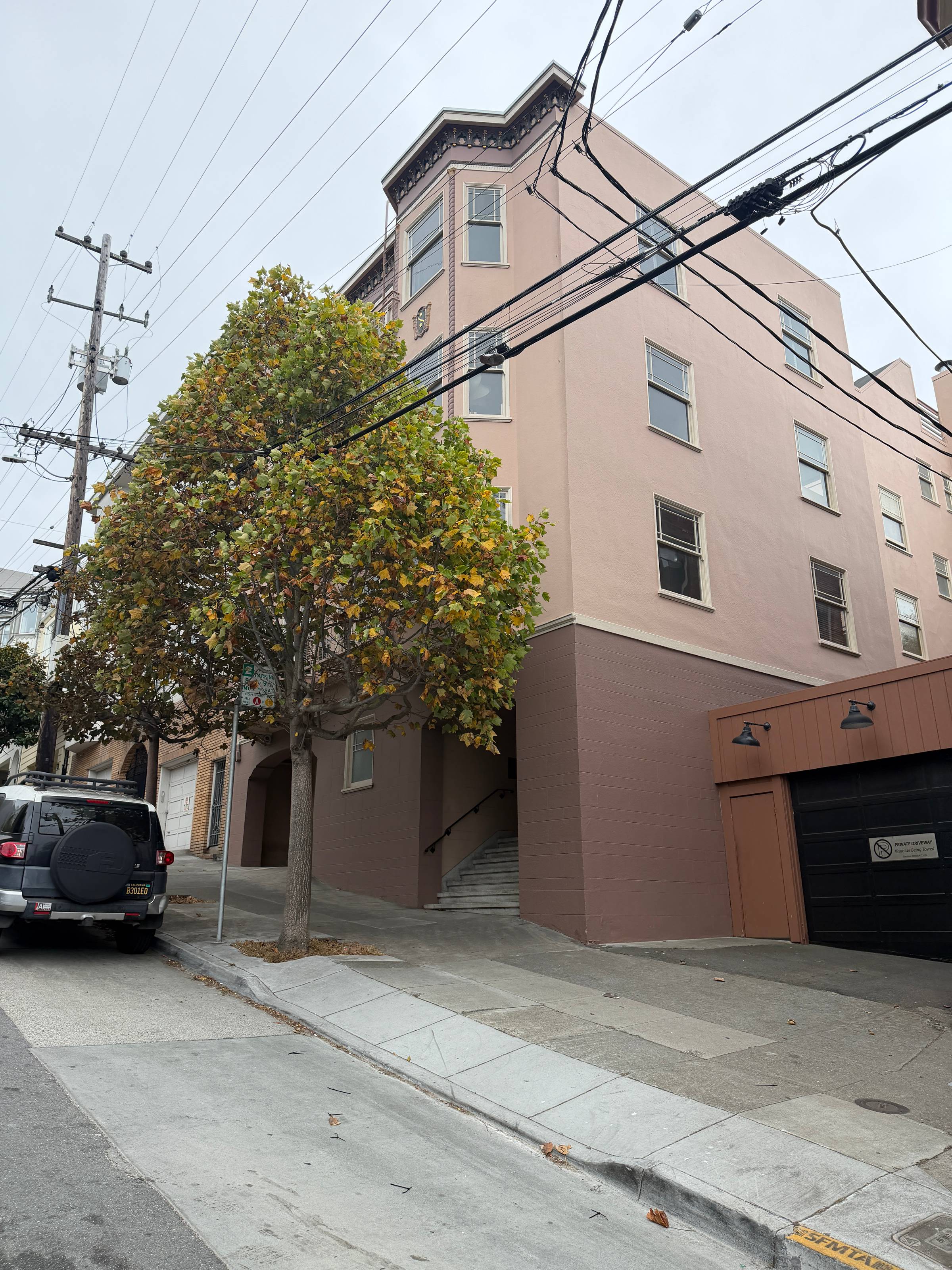
The Future is Already Here: I was in San Francisco for work this week and had a few moments where I realized how quickly the world is changing.
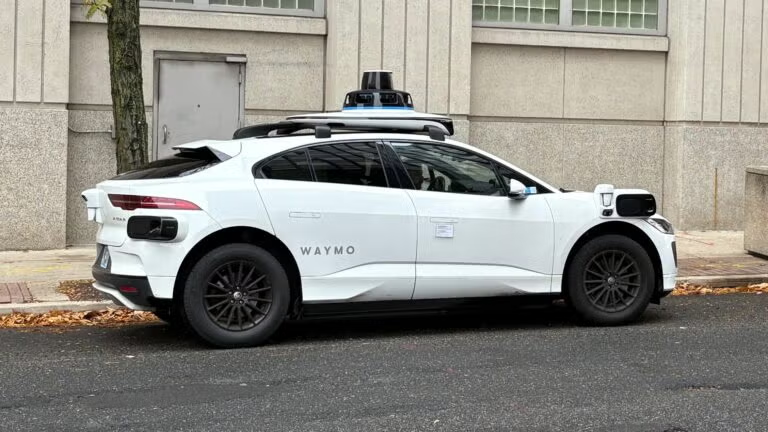
During my trip, I took multiple robotaxis and got coffee made by a robot. The robotaxi was awesome. It was smoother than almost any Uber or Lyft I’ve taken. After a few minutes, I basically forgot there wasn’t a person driving the car.
The robotic coffee was different. It worked perfectly fine. But, I didn’t like it. I missed the interaction with the barista. I like watching someone who’s really good at their craft at work. I'm an introvert, but there's something to be said for small human interactions for our happiness.
I feel like that's the biggest challenge we're going to have to navigate. How do we embrace technology, but still come together as society and not just turn into robots ourselves?
Don't get me wrong, I'm a fan of technology. Even if I weren't, there's no stopping the future so I may as well get on board.
Self-driving cars should eventually make our roads safer. They’ll lower transportation costs. They’ll change how we design cities and how we think about parking. They’ll give independence to people who can’t drive today. We should celebrate this.
Being in San Francisco reminded me how inspiring it is to be surrounded by people building that future. I went to this great coffee shop (Reville) and there were 20 people grinding on their laptops. I realized there's a good chance some of them are working on things that could meaningfully change how billions of people live.
But, it also reminded me why I’m happy I don’t live there. When the future is constantly sitting right next to me, I find it hard not to feel like I'm falling behind. Someone is always building something bigger. Sometimes it’s nice to get away from that.
I can already see myself as the nostalgic grandfather annoying my grandkids. I selfishly hope they know what it feels like to drive an old truck down a two-lane road in Northern Michigan with the windows down. There’s something about the freedom and independence of driving on a beautiful summer day.
Yes, technology will make that unnecessary, but it doesn't mean we should stop doing it. We don’t need to optimize every second of our lives. We don’t need every mundane interaction automated away. We definitely don’t need every moment of free time to become another opportunity to stare at a screen.
So the moral of this week's thought? Go touch some grass.
Travel with Just a Backpack: If you’re traveling for 2 to 3 days, stop bringing a suitcase. For this week's trip, I packed everything into my North Face backpack. It was amazing.
You don’t have to fight for overhead bin space. You don’t have to drag a roller bag through the airport. You are so mobile when moving around the city.
My current backpack worked fine, but I came across these other Cotopaxi backpacks that are built for this and I'm seriously considering "investing" in one. You can see their various models here.
Anyone converted to this model and have any feedback?
Disclaimer: VDB Wealth is a registered investment adviser. Information presented is for educational purposes only and does not intend to make an offer or solicitation for the sale or purchase of any specific securities, investments, or investment strategies. Investments involve risk and unless otherwise stated, are not guaranteed. Past performance is not indicative of future performance.

We work with a select group of clients to provide tailored, high-touch wealth management. Ready to see how we can help?
Our personalized process ensures you receive expert financial guidance tailored to your unique goals. Get in touch in the way that works best for you—fill out the contact form, send us an email, or schedule a call. However you choose to reach out, we’re here to help you build, grow, and protect your wealth.
VDB Wealth LLC is a registered investment adviser located in the State of Georgia. Registration as an investment adviser does not imply a certain level of skill or training.
The information on this website is for informational purposes only and does not constitute investment, legal, tax, or financial advice. Nothing on this site should be interpreted as a solicitation, offer, or recommendation to buy or sell any securities or investment products. All investments involve risks, including the potential loss of principal.
VDB Wealth LLC provides investment advisory services only to residents of states where it is properly registered or exempt from registration. Past performance is not a guarantee of future results.
VDB Wealth LLC | (415) 209-5862 | contact@vdbwealth.com